

The Carthusian Monastery in the picturesque Pieniny Mountains hides gothic treasures and valuable expositions. The extremely rare herbarium of the "flying monk" Cyprian from 1766 can also be seen here. In 2024, new interactive exhibitions and even a monastery brewery were added.
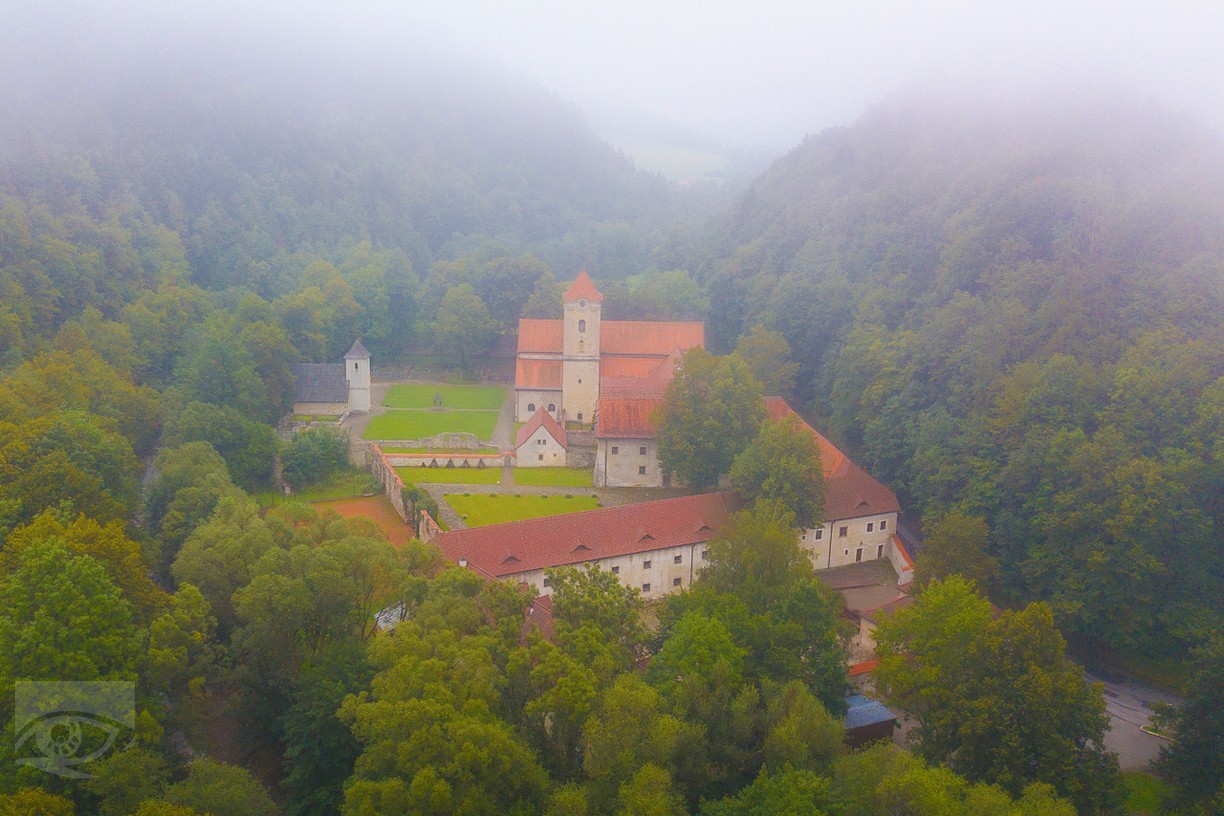
In the picturesque surroundings of the Pieniny Mountains is located one of the most important historical treasures of Slovakia - the Carthusian monastery known as the Red Monastery. This architectural gem, with its striking red roof, attracts visitors from all over the world. The monastery was founded in 1319 and its rich history is intertwined with the period of the Carthusians and the Camaldolese monks. Visit the museum and discover the rare herbarium of the "flying monk" Cyprian from 1766, which contains 283 pressed plants described in five languages. In addition, you can admire the original 18th-century medical showcases, 17th-century pharmacy scales and the first Slovak pharmacopoeia from 1745.
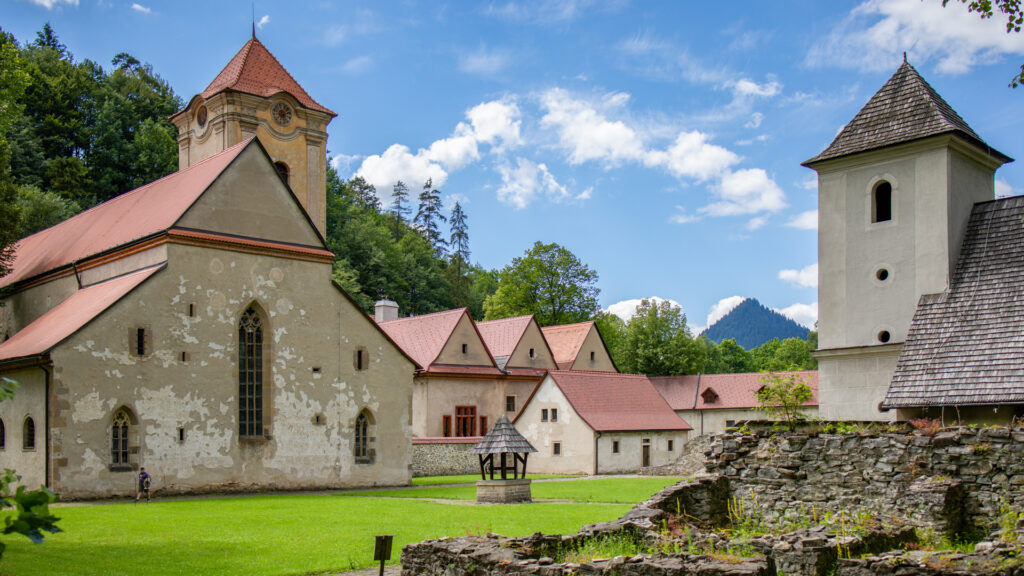
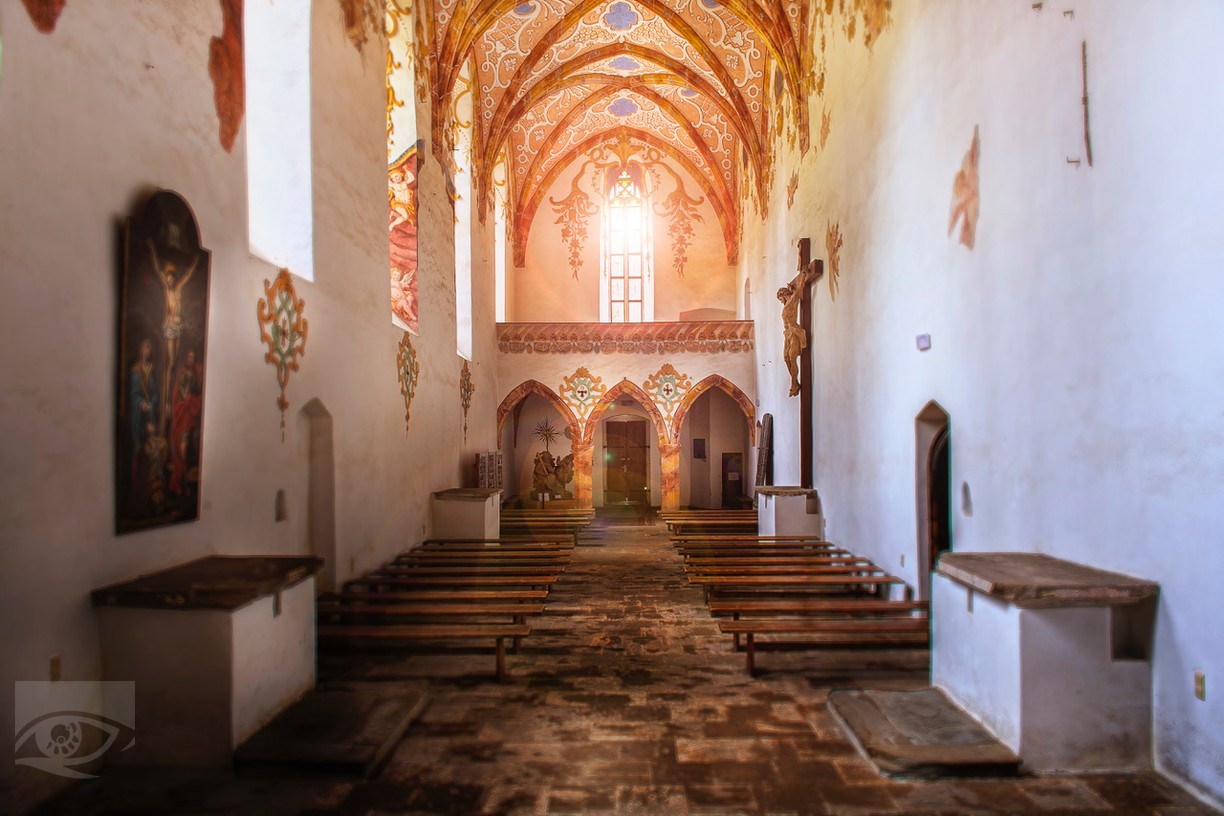
The monastery also offers tours Gothic Church of St. Anthony from the end of the 14th century and rare art-historical monuments from Červený Kláštor and northern Spiš. In front of the monastery there is a park declared a protected area Pieniny Lime trees, where you can admire 19 old rare lime trees. During the summer season, the monastery comes alive with a variety of events, concerts and entertainment and educational programmes for visitors. Don't miss the opportunity to discover this unique piece of Slovak history!
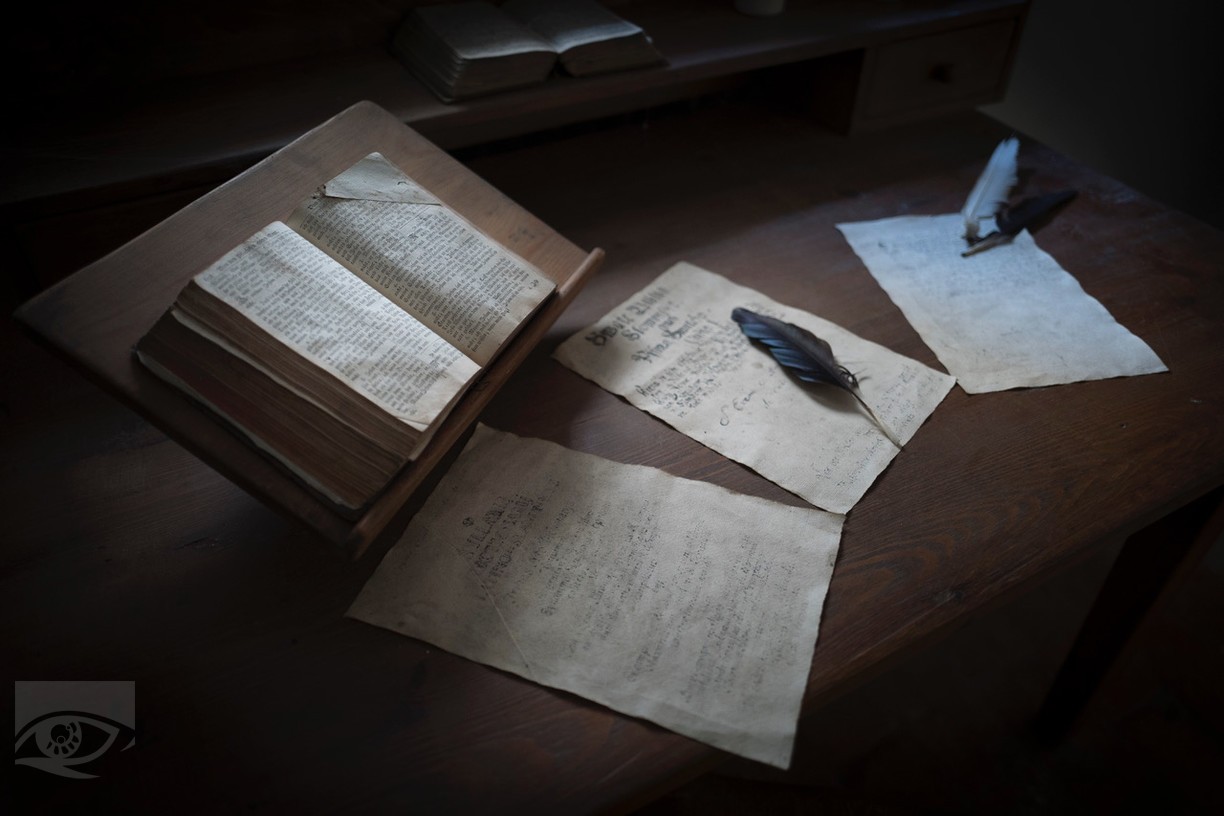
In the exhibition you can also see the original digital herbarium.
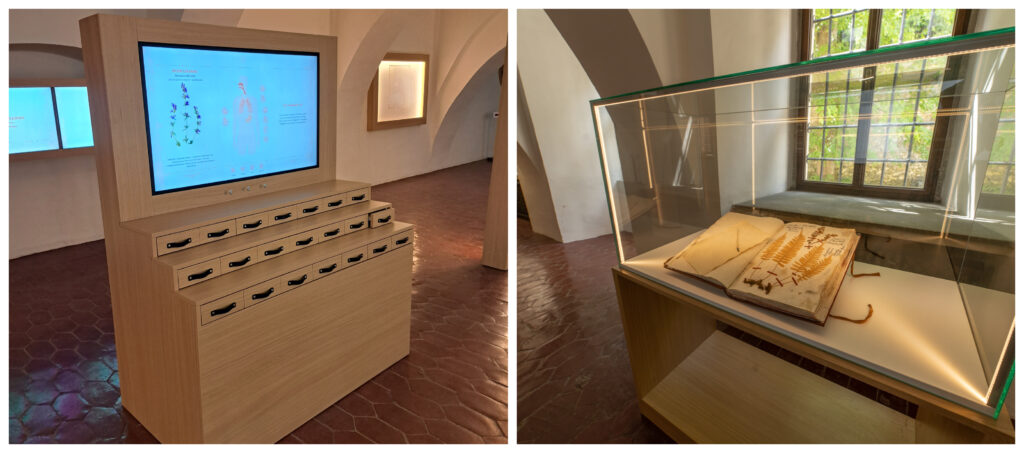
The show is enriched with interactive elements, thanks to which visitors can try transcribing Camaldolese texts, working with the herbarium or transmitting sound waves through the bones.
In the museum visitors can also admire a collection of original medical showcases from the 18th century, pharmacy scales made in Amsterdam in the 17th century and a copy of the first Slovak pharmacopoeial literature (the so-called Bratislava Torkoš Pharmacy Taxa) from 1745.

The monastery was founded by Master Kokos Berzewicz in 1319, who donated Lechnica to the Spiš Carthusians. The Carthusians were active here until the middle of the 16th century, when the monastery fell into decline due to political unrest and robberies. Between 1711 and 1782 the Camaldolese monks resided herewho led a strict ascetic life and devoted themselves to farming, beekeeping and the cultivation of medicinal herbs. The monastery was gradually renovated and rebuilt in Baroque style, which can still be admired today.
Flying Monk Cyprian: Frater Cyprian, known as the "master of a thousand crafts", was an all-round educated monk who was involved in medicine, botany, pharmacy, mechanics and cosmology. His herbarium is one of the most important works of its kind. According to legend, he tried to build flying wings and was supposed to fly down from the Three Crowns in the Pieniny Mountains.
There are two complete vertical sundials from the 18th century in the museum grounds. One is located on the wall of the monastery and the other on the façade of the priory house. These clocks date back to the Carthusian Order's time in the monastery and are conveniently placed and clearly visible to visitors.In 2024, the museum opened its renovated premises. New additions worthy of a visit include interactive displays, its own brewery, a monastery school, a Cyprian pharmacy and a manufactory.
Cover photo: Ladislav Hrivko, photo competition Go and shoot 2017