

Visit the City of the Souls of Fallen Soldiers, where you will be able to see the sites where the fighting took place during World War II. There are now several memorials and some of the original preserved military arsenal at the site of the fighting.
Observation tower - Dukla
It is a national cultural monument and a memorial to the Czechoslovak Army at Dukla. The area is one of the most visited places in the region. It commemorates the Carpathian-Dukla military operation that took place in the autumn of 1944. Over 60 thousand Soviet and Czechoslovak soldiers were killed during the battles here. The 28 m high memorial was erected in 1949. It is embedded in the military cemetery, which is crossed by a colonnade with bronze plaques. Surrounding the memorial and the cemetery is a large open-air military museum. The former battlefield can be seen from a vantage point provided by an observation tower.

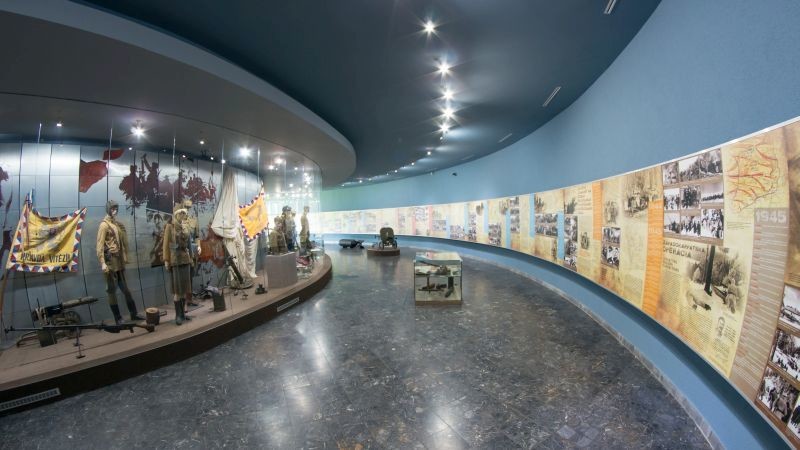
Military History Museum
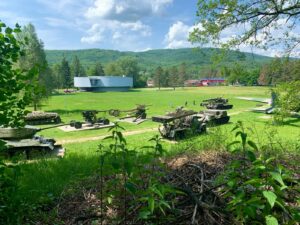
Múzejné oddelenie Svidník je súčasťou Vojenského historického múzea so sídlom v Piešťanoch. Sídli v budove, ktorá tvarom pripomína protitankovú mínu. Dokumentuje kapitolu vojnových dejín pred a počas 1. svetovej vojny vo Východných Karpatoch, medzivojnového obdobia a obdobia 2.svetovej vojny s akcentom na priebeh Karpatsko-duklianskej operácie, partizánske hnutie a oslobodzovanie územia Slovenska v rokoch 1944 – 1945. V múzeu sú autentické fotografie z bojov, osobné pamiatky, rôzne druhy zbraní a nálezy z bojísk o Dukliansky priesmyk. V parku čaká návštevníkov externá expozícia ťažkej vojenskej techniky, pri ktorej sa s obľubou fotografujú návštevníci všetkých vekových kategórií. V susedstve expozície stojí od roku 1954 Pamätník sovietskej armády, kde je pochovaných vyše 9 000 vojakov padlých na jeseň 1944.
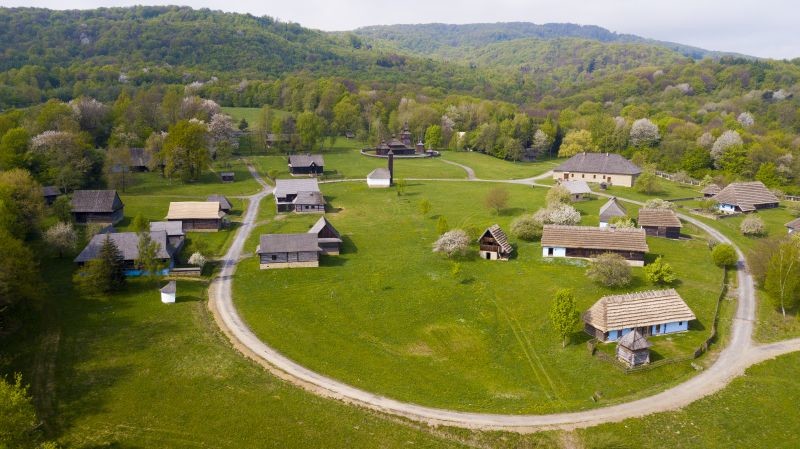
The open-air museum
Enjoy the open-air museum of the Museum of Ukrainian Culture in Svidník, which is an experience for all ages. On an area of 11 hectares there are 50 objects of folk architecture, thatched cottages, a mill, a tavern and a wooden church. The ethnographic exhibition in the open air was opened to the public in 1982. It gives visitors a comprehensive idea of the basic living conditions of the Ukrainians of Slovakia in past historical periods. It concentrates typical monuments of folk architecture and housing in the area of north-eastern Slovakia.
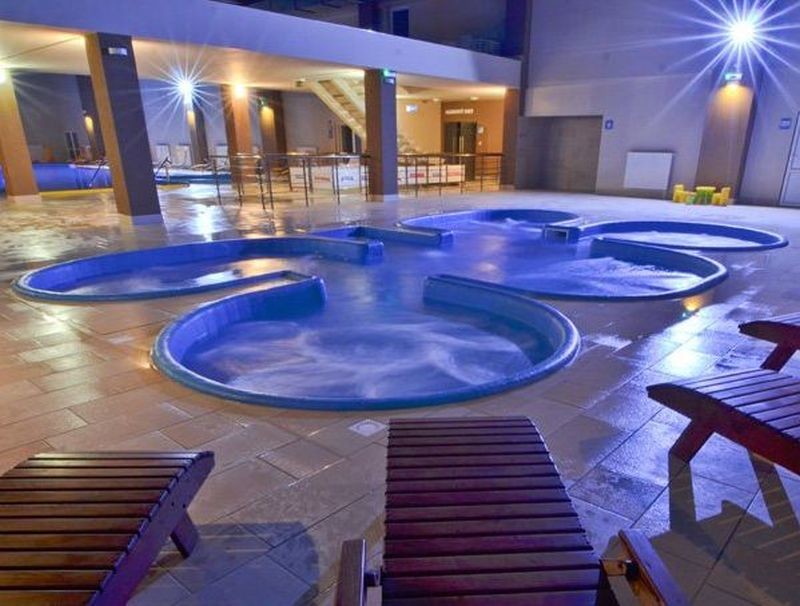
Aquaruthenia
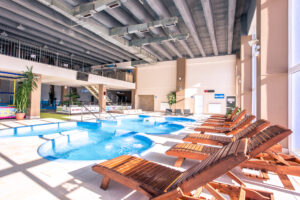
In the summer heat, come and refresh yourself in a year-round complex with the parameters of an aquapark, which offers a wide range of leisure activities, not only in the summer, but also throughout the year. Visitors can enjoy 7 pools in the outdoor summer area and 2 pools in the year-round area. In the summer swimming pool there are two swimming pools, 50 and 25 metres, an artificial wave pool, an indoor pool with water attractions and three children's pools. In the area of the former swimming pool, Aquaruthenia offers a year-round water park with a 25-metre relaxation pool with whirlpools and jacuzzi. Children will also enjoy the climbing frames and slides inside the Aquaruthenia.
Death Valley
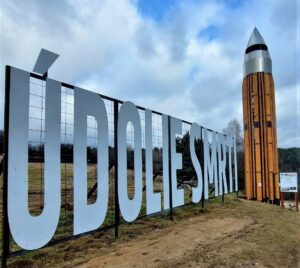
A mysterious name, which forms the territory in the valley of the Kapišovka stream, stretching between nine villages in the Svidník district. Heavy fighting took place in this area during the Second World War, from 21 to 27 October 1944, as part of the Carpatho-Dukla Operation.

Bunkers, Vyšný Komárnik
In the forest above the village of Vyšný Komárnik, do not miss a visit to the reconstructed bunkers, or zemľaniek, where the headquarters and headquarters of the 3rd Czechoslovak Brigade were located in 1944.

War cemetery, Hunkovce
In the village of Hunkovce there is a war cemetery where 3 100 German soldiers are buried.

Wooden church, Bodružal
It is also called the Jewel among the churches. It is a wooden Church of St. Nicholas. It is one of the oldest and most beautiful wooden churches in Slovakia. The three-part log building with a richly articulated shingle roof and three towers was built in 1658 and was inscribed on the UNESCO World Heritage List in 2008.
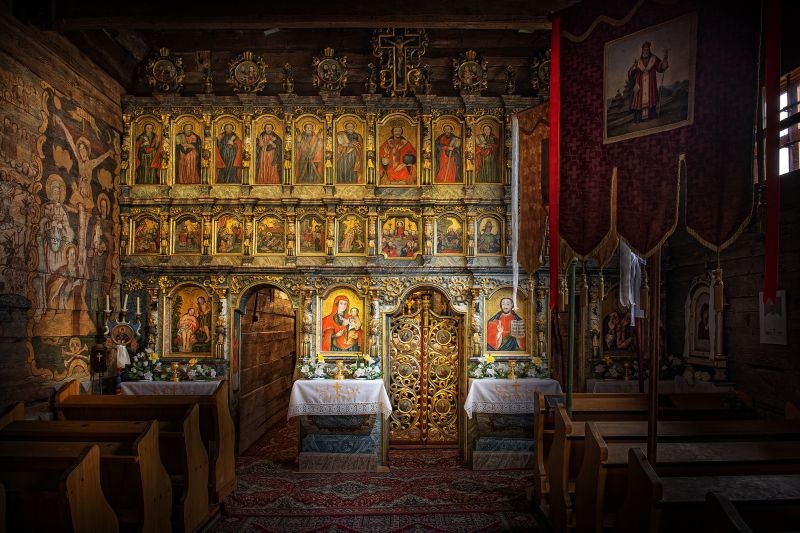
Wooden church, Ladomírová (UNESCO)
Another beautiful church is the Greek-Catholic Church of St. Michael the Archangel, which is one of the most representative churches of the Eastern Rite on the Slovak side of the Carpathian Mountains. It was built in 1742 without the use of a single metal nail. Since 7 June 2008, the temple has been a UNESCO World Heritage Site.