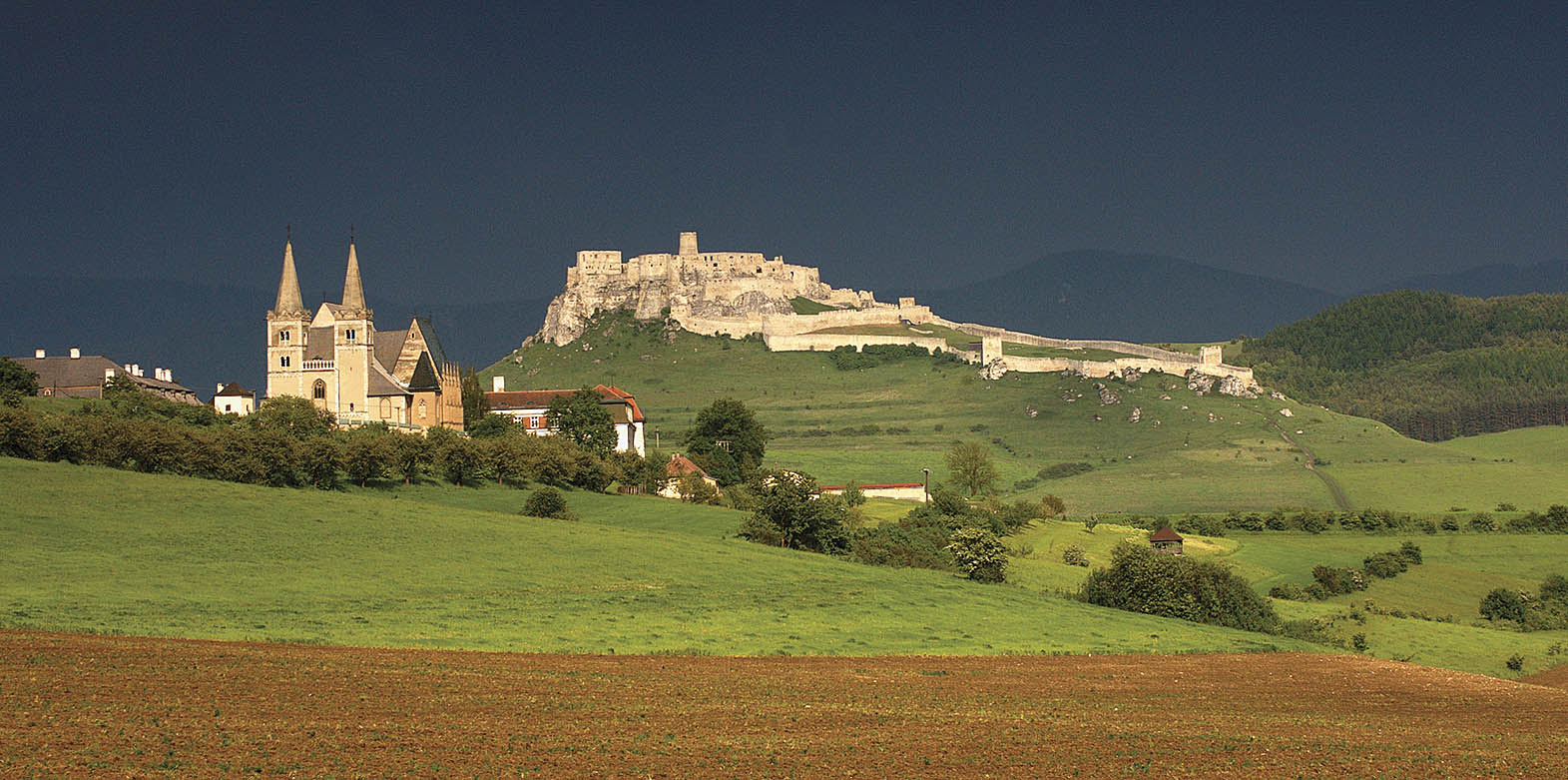
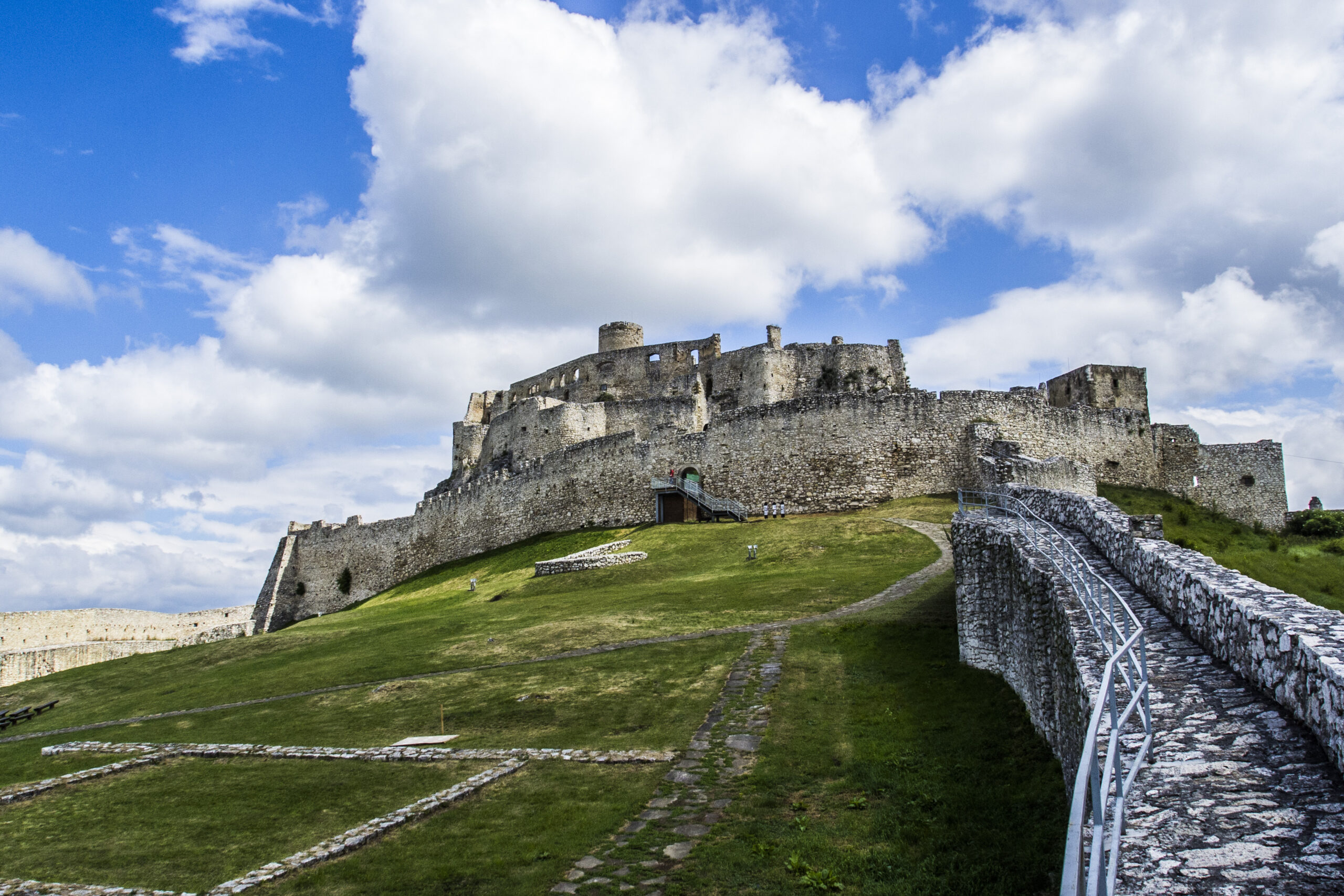
Spiš Castle, which covers an area of more than 4 hectares, is one of the largest ruined castle complexes in Central Europe. Its monumental silhouette defines the eastern horizon of Spiš. In 1993, Spiš Castle, together with the surrounding cultural monuments, was inscribed on the UNESCO World Heritage List, which testifies to its exceptional historical and cultural significance.
The construction of the castle on the travertine mound dates back to the beginning of the 12th century, with the first written mention dating back to 1120. Originally it served as a border fortress, but later it became the seat of the Spiš župan, which made it the main centre of secular power in Spiš.
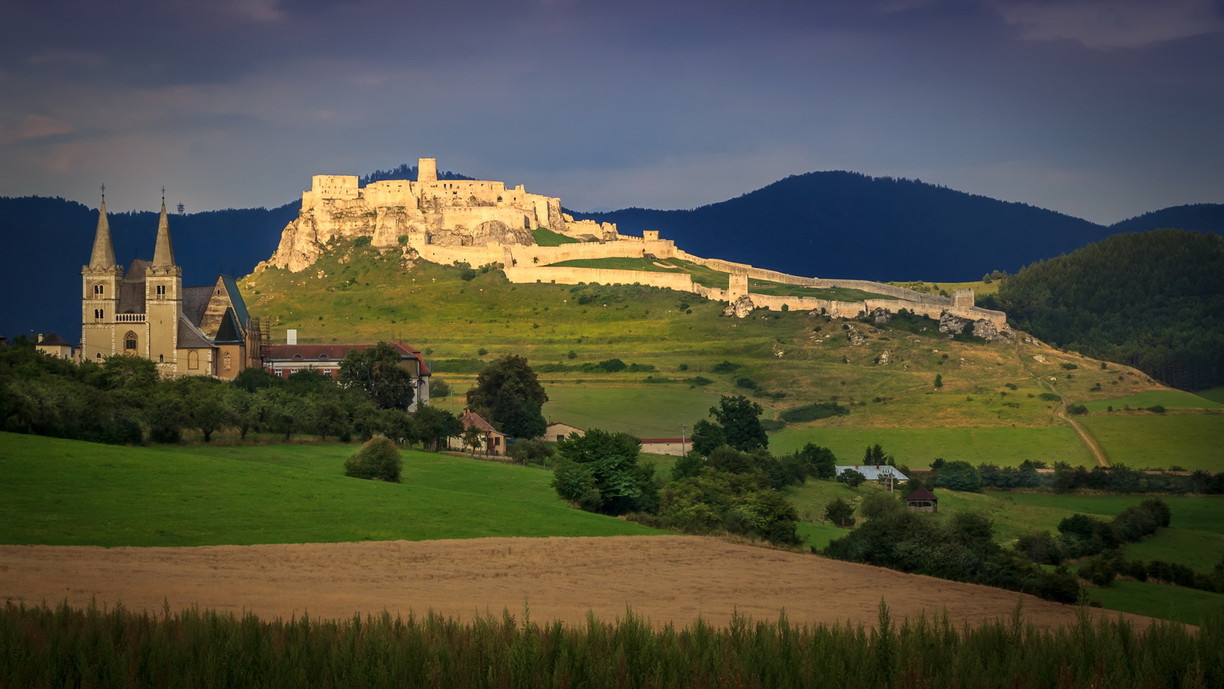
In the second half of the 15th century, Stefan Zápolský, the new owner, decided to to rebuild Spiš Castle into a representative noble residence. He built a palace, a knight's hall and the chapel of St. Elizabeth. The castle chambers were the birthplace of his son Jan Zápolský, who later became King of Hungary.
During the following centuries the castle underwent several changes under the leadership of the Thurz and Csáky families. In the year In 1780, however, a raging fire destroyed the castle complex, turning it into a ruin. In 1970, conservationists began a technically demanding conservation that saved the remaining parts of the castle and stopped its gradual decay.
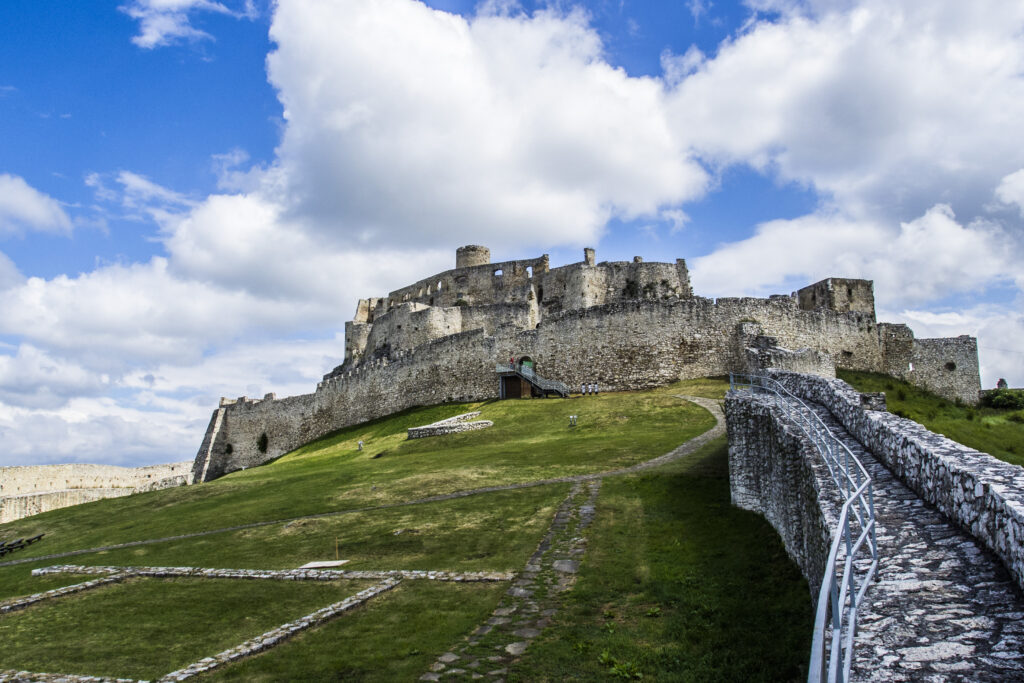
Today, the Spiš Castle houses the museum expositions of the Spiš Museum, which present the history of the castle, medieval weapons and feudal justice. For those who want to discover the surroundings, there is a nature trail Sivá Brada - Dreveník. This comfortable trail has eight stops where hikers can learn more about the history and natural attractions of the region. The ascent to the castle is possible along the marked trail from Spišské Podhradie, or more conveniently from the parking lot in front of the walls. Spiš Castle is not only a place rich in history, but also a gateway to the picturesque landscape of Spiš.
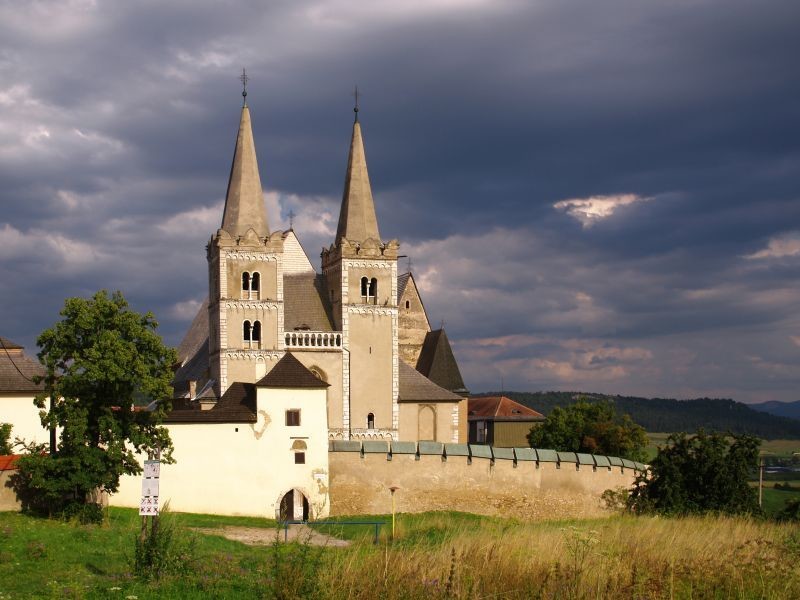
Slovak "Vatican" is a religious town Spišská Kapitula, from which they have long organized church life not only in Spiš...
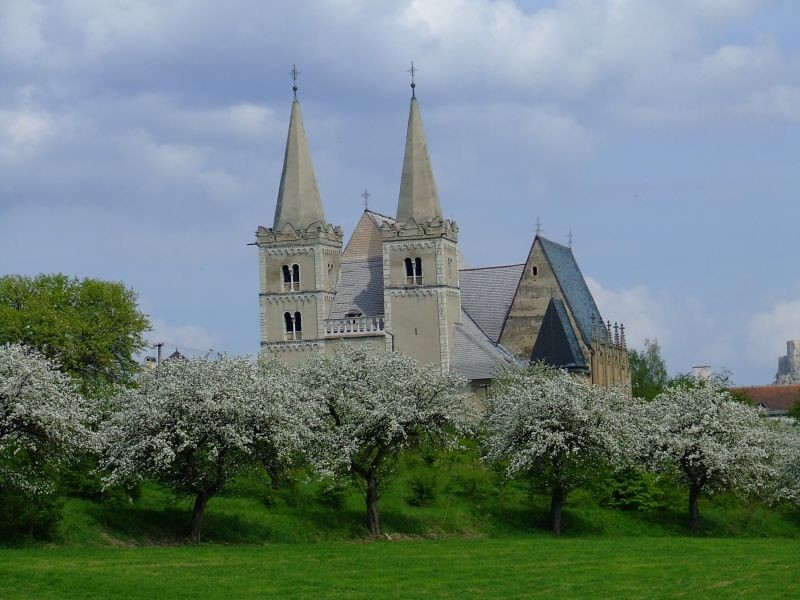
The most important building of the Spiš Chapter is the late Romanesque St. Martin's Cathedral. The Bishop's Palace was built at the same time as the Cathedral as the Prepostal Palace. In the past, the palace was situated next to the French park, which was entered through the still standing so-called. Clock Tower.
In the Cathedral there are preserved complete vertical sundial on the pillars of St. Martin's Cathedral. The sundial is rectangular in shape with a dial of Arabic numerals from six o'clock in the morning to six o'clock in the evening. We see the sundial's location as a disadvantage, as it is situated in a place where the cathedral itself creates a shadow.
In the eastern part of the Spišská Kapitula there are the so called Gothic churches on narrow gothic plots. the canons of the chapter canons, which are accessible through the only alley in the city. The fortification of the ecclesiastical town with two entrance gates was built in the 14th century and rebuilt several times. Spišská Kapitula is a town part of Spišské Podhradie.
from 1.11. to 31.3. closed from 1.4. to 30.4. open daily from 9:00 to 16:00 from 1.5. to 30.9. open daily from 9:00 to 18:00 1.10. to 31.10. open daily from 9:00 to 16:00