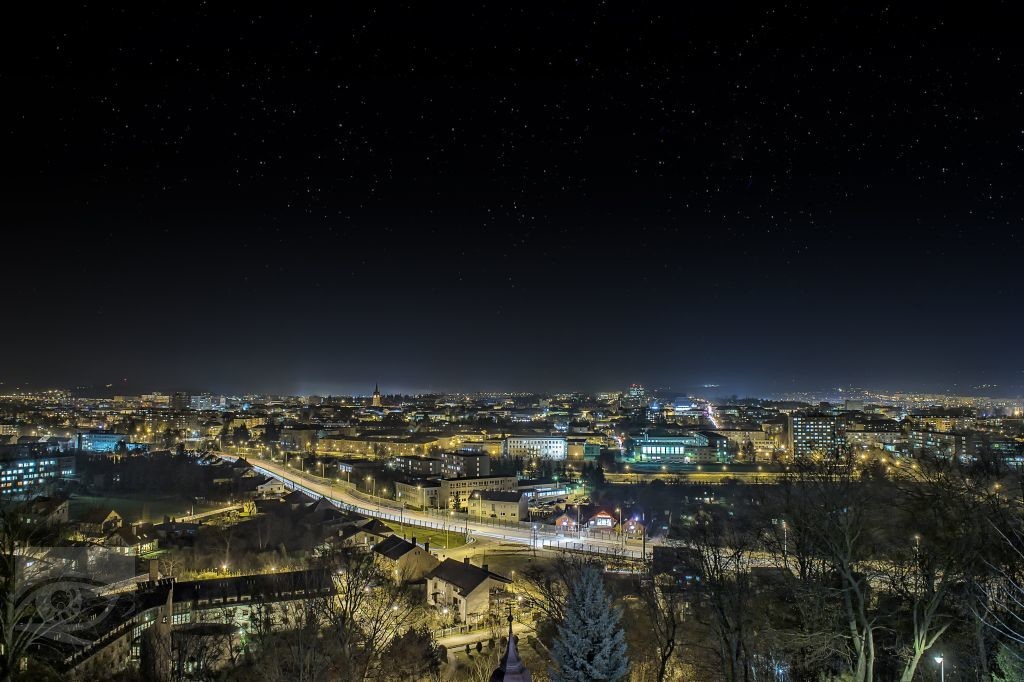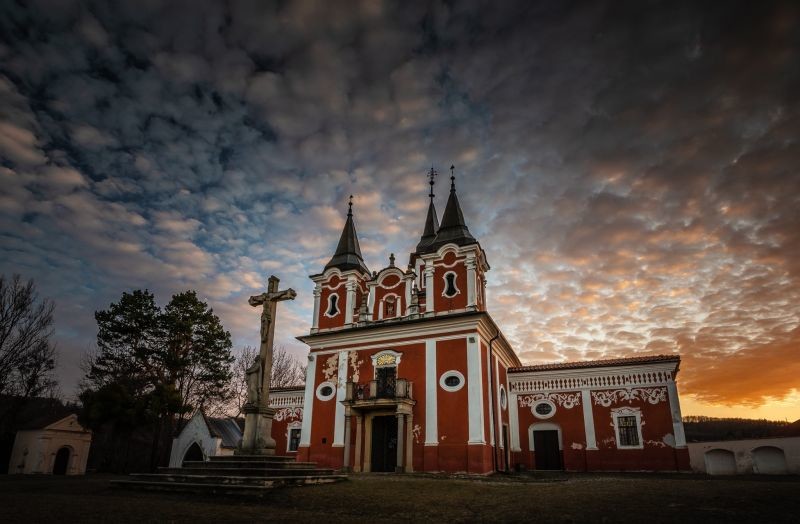


Calvary above the city of Prešov is a baroque complex with a magnificent view and valuable interior. In the past, it was considered the second most beautiful calvary in Hungary (after the Calvary of Banská Štiavnica).
The origin of the Prešov Calvary is closely associated with the recatholization and the Jesuits. The initiative to establish Calvary came from the Society of the Dying Christ, founded by Jesuit priests at the beginning of the 18th century. Construction of the first buildings began in 1720 and continued until 1769. Some Stations of the Cross chapels were still being built in the 19th century, until 1893.
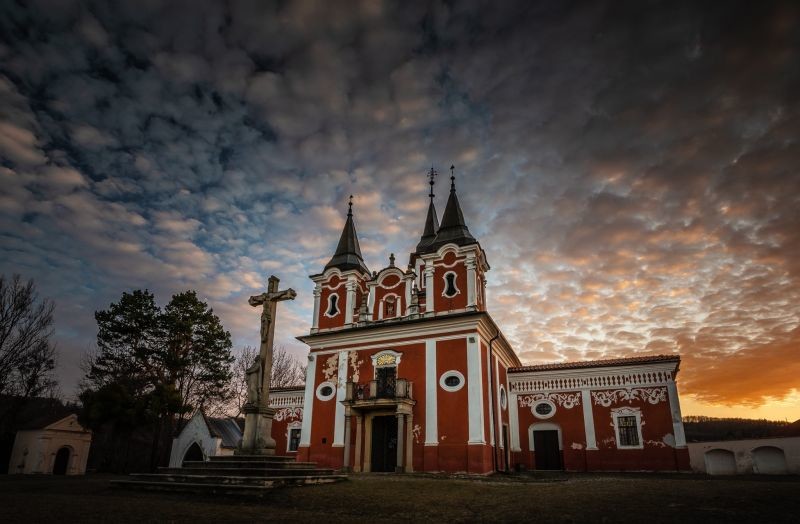
The Jesuit superior was the first to consecrate the chapel of Christ on the Mount of Olives and the cross in the autumn of 1721. The construction was carried out gradually over several decades from the funds of the town and donors from among the townspeople and the surrounding nobility.
All the chapels have a similar shape with a gable front decorated with ornaments and the coat of arms of the donor and a semicircular arched entrance portal with a richly decorated lattice. The second dominant feature of Calvary stands out from the described shape, Chapel of the Holy Steps. The one was built in 1765 on the model of the chapel Sancta Scala at the Lateran Church in Rome.
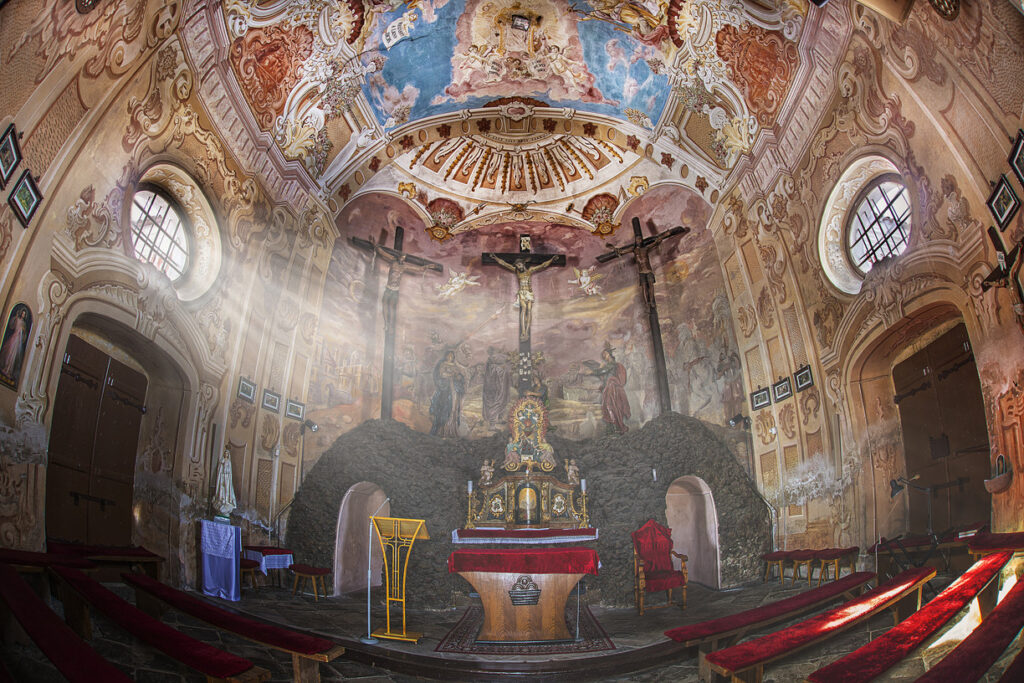
Building Funded by Lithuanian Prince Radziwillwho came to Prešov together with his court and personal guard (Cossacks) in autumn 1764. The chapel was built by out of gratitude to the city for providing him with asylum after his forced flight from Poland. In the façade above the entrance there is his coat of arms with a donation inscription. The interior is filled with 28 steps with a place for the relics of saints, an altar with a stone sculpture of Pieta and murals by O. Trtina (2nd half of the 18th century).
At the same time, the church and the chapels were founded the cemetery, which originally served for burying the donors of Calvary (Turčáni, Spléni, Sirmai, Dr. Paracelsus), later also for people from the nearby city districts (Pod Kalváriou, Za Kalváriou), as well as for other persons. The cemetery has several interesting and artistically valuable aristocratic and bourgeois crypts in the Empire and historicist style.
In 1836, under the church were built catacombs, serving as a tomb for priests. Their wall with an entrance portal creates the illusion of a castle wall when viewed from the city.
areál Kalvárie je sprístupnený nonstop