

Easter is associated with many customs and traditions. This period was an important landmark of the beginning of the economic year, so people strictly observed them. Many of the customs associated with the arrival of spring were also adopted into Christianity.
Easter itself is preceded by a 40-day Lenten season, which is a preparation for the full spiritual experience of the Paschal Trinity. The last Sunday of Lent, called Palm Sunday, commemorates the arrival of Jesus in Jerusalem, when the people welcomed him with great glory and waving palm leaves. On this day, we bring the swaddling cloths to our churches for blessing. The budding branches of the willow tree are a symbol of the coming spring and the first green. Mudpuppies were attributed supernatural power and were supposed to protect the householders from lightning, diseases, evil forces. They were also used to drive cattle out to graze for the first time or plough them into the first furrow to ensure a good harvest.

Similar customs are associated with the last days of Holy Week. On Maundy Thursday, people poured water through the keyhole and then washed themselves with it. They also clipped the hair of cattle to prevent the shearing from taking away their milk, or the tail of horses to prevent their strength from being taken away. In the afternoon, they participated in Christian rituals, where they remembered the Last Supper of Jesus with the disciples, when the Blessed Sacrament was instituted. The ceremony was followed by the so-called binding of the bells, the sound of which was not heard until Jesus' resurrection. They were replaced by raps and knocks making a distinctive dull sound.
Good Friday is the greatest day of Lent as an expression of respect for Jesus' suffering. On this day, food consumption was limited to bread, water, potatoes or sauerkraut. Early in the morning, before sunrise, people washed themselves with running water from the stream to keep them clean and healthy. The gazdars also drove the horses, tended and planted the fruit trees, and the women tended the flowers. The weather on this day predicted the year's harvest. As part of Christian rituals, believers commemorate the suffering, death and burial of Jesus in the tomb on this day.

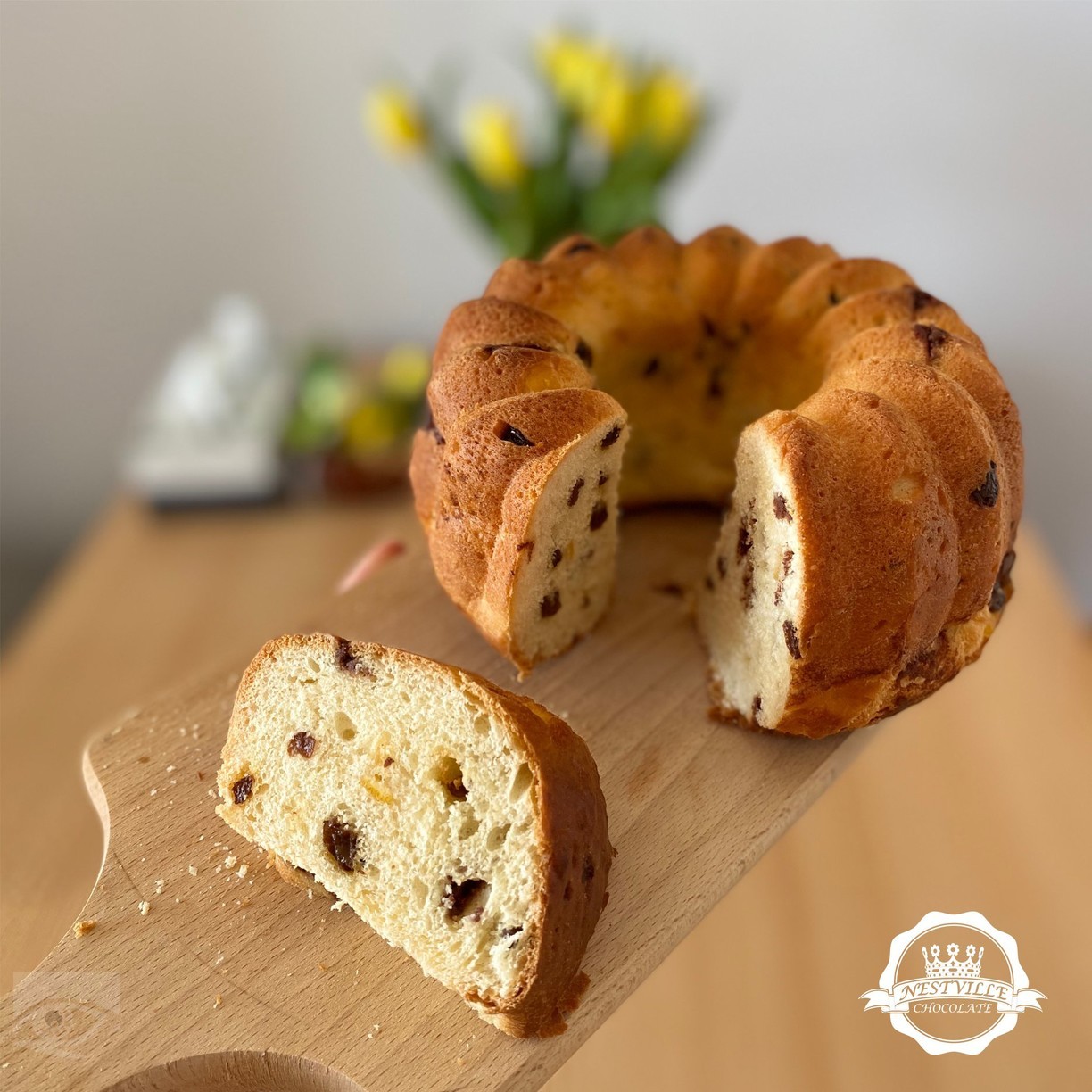
White Saturday was marked by preparations for Easter Sunday. Men prepared food for the cattle, women cleaned and baked traditional cakes. One of them is paska, a white cake baked in a round mould with wavy edges. Various superstitions and ideas later developed around the sacred bread, and associated with it were acts to ensure a harvest or protection against evil forces. Smoked ham, sausage, eggs, butter, cottage cheese, bacon and other foods were prepared and were to be consecrated the next day. Christian White Saturday ceremonies were preceded by the burning of a bonfire resembling the burning of Judas as punishment for his betrayal. The fire had purifying powers for them, and they scattered its ashes over the field, and kept the embers and burned them when they were cut.

On the morning of Easter Sunday, people came to the churches to consecrate the food they had prepared on Saturday. During the Greek Catholic services, the greeting Christos voskrese! Voistinu voskrese! It celebrates the resurrection of Jesus Christ, who brought hope and joy instead of sorrow. After the ceremony in the church, the people returned home with their wicker baskets full of food. After a 40-day fast, the feast began and the eating of each of the meals had its own specific meaning. The egg is considered a symbol of spring and in the life of the Slavs also a symbol of life. The shells of boiled and coloured eggs, thanks to the onion skins turning brown and the plum rinds reddish, were then scattered in the rows where they grew vegetables. The butter was to cure diseased bronchial tubes and joints, and the consecrated salt was given to the cows to give them good milk.

Easter customs culminate on Easter Monday with a cold water dressing and a whipping with a wicker crown. The water had healing and purifying powers and was supposed to ensure the girls' health and beauty throughout the year. In return, the girls gave the boys painted eggs.
Customs and traditions vary slightly in different parts of the region. In many households they have survived to the present day, although they are no longer given the importance they deserve in order to protect them from the damaging forces of nature. Even though we cannot experience Easter in the traditional spirit, surrounded by our family and friends, let us not forget the main message that Easter brings with it. Faith in the Resurrection helps us to understand and cope with everyday worries, uncertainty and fear. It reminds us of what is transitory and what is eternal, what is important and what fills us with peace.
Source:OOCR North Spiš Pieniny