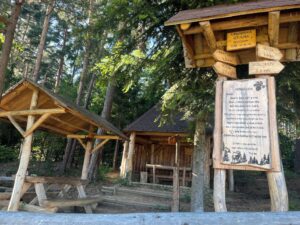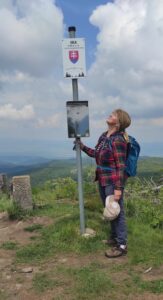


The peaks of the Levoča Hills in the north of Slovakia reach a height of 1 000 - 1 200 m above sea level (Siminy, Ihla, Repisko, Javorina). The highest mountain is Čierna hora (1 290 m above sea level).
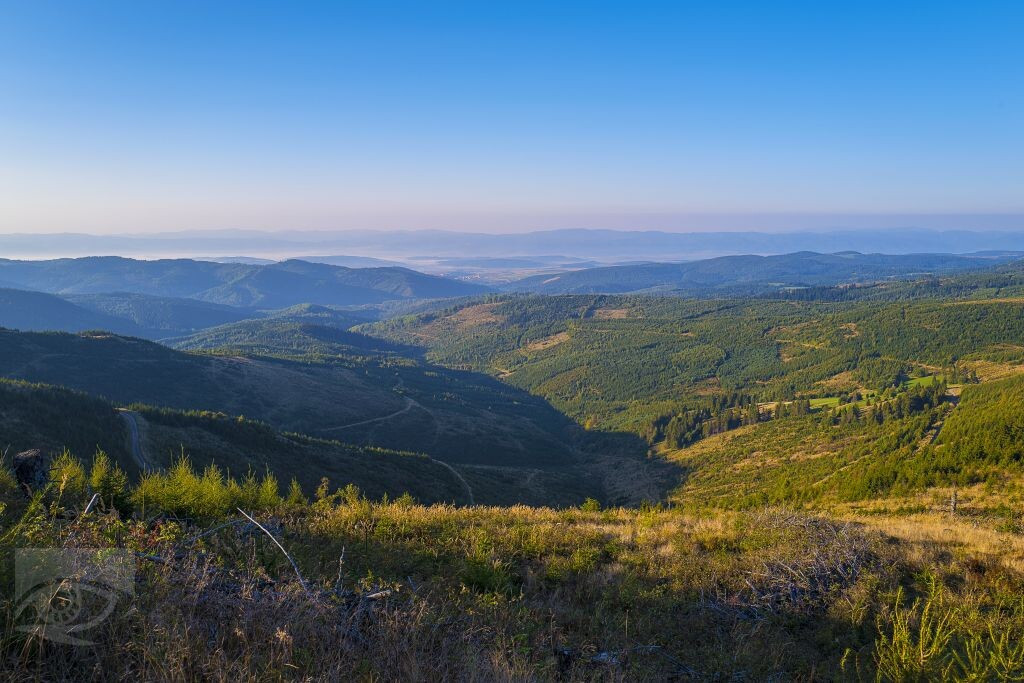
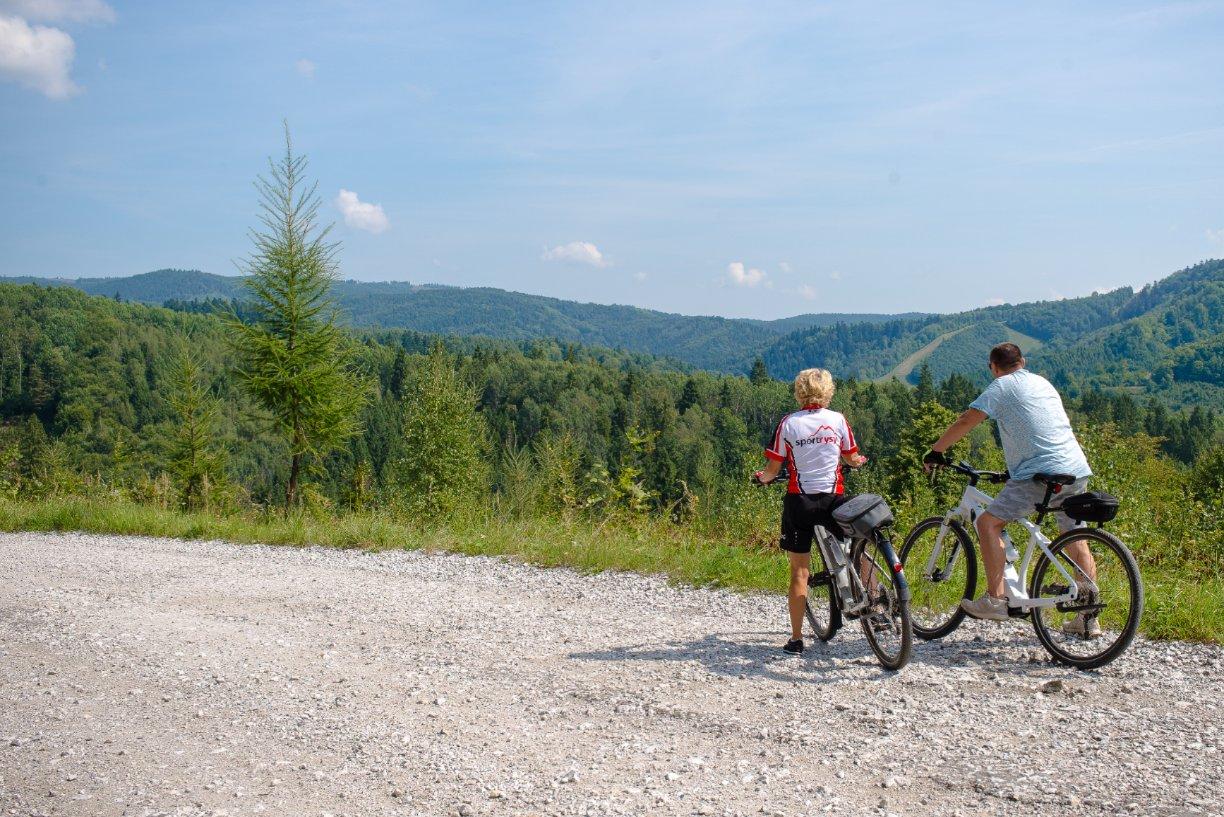
Levoca Hills They are neither high nor very dangerous, but they are a good place for those who are looking for something undiscovered, wilderness and silence. It is a large, vast territory and without civilization. A former military area with virtually no infrastructure. They are also a paradise mtb cyclists. There are many trails, often former semi-dilapidated military roads with hints of asphalt, which few people know anymore.
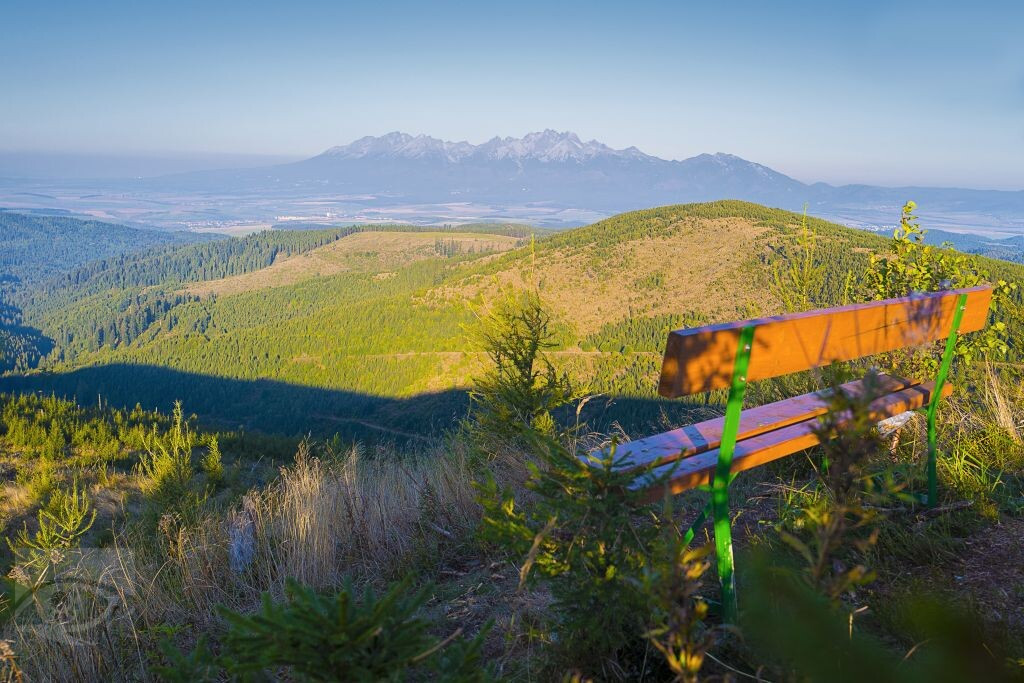
How the Tatras overshadowed the Levoča Mountains
From the massive back of the flysch mountains, there run out on all sides ranges, which are usually separated by deep valleys. The mountain is built up by layers of sandstones, thinner layers of shales, conglomerates and breccias. The moist valleys of the Levoča Mountains are covered by spruce forests with a mixture of fir, while in the south and south-west of the area there are beech-oak forests with a mixture of fir. The Levoča Mountains lie in the rain shadow of the Tatra Mountains, which causes less precipitation.
Tatars, Germans, Wallachians
The Slavic population began to settle the territory in the 7th century, but not significantly until the 13th century: after the devastating Tatar invasions, the Hungarian rulers allowed German colonists to settle in the plundered land. The influence of mining and crafts was behind the establishment of the towns of Levoča, Kežmarok and Ľubica. The villages of Torysky, Repaše and Oľšavica were settled in the 13th-15th centuries by the Wallachian population.